WHY THIMPHU?
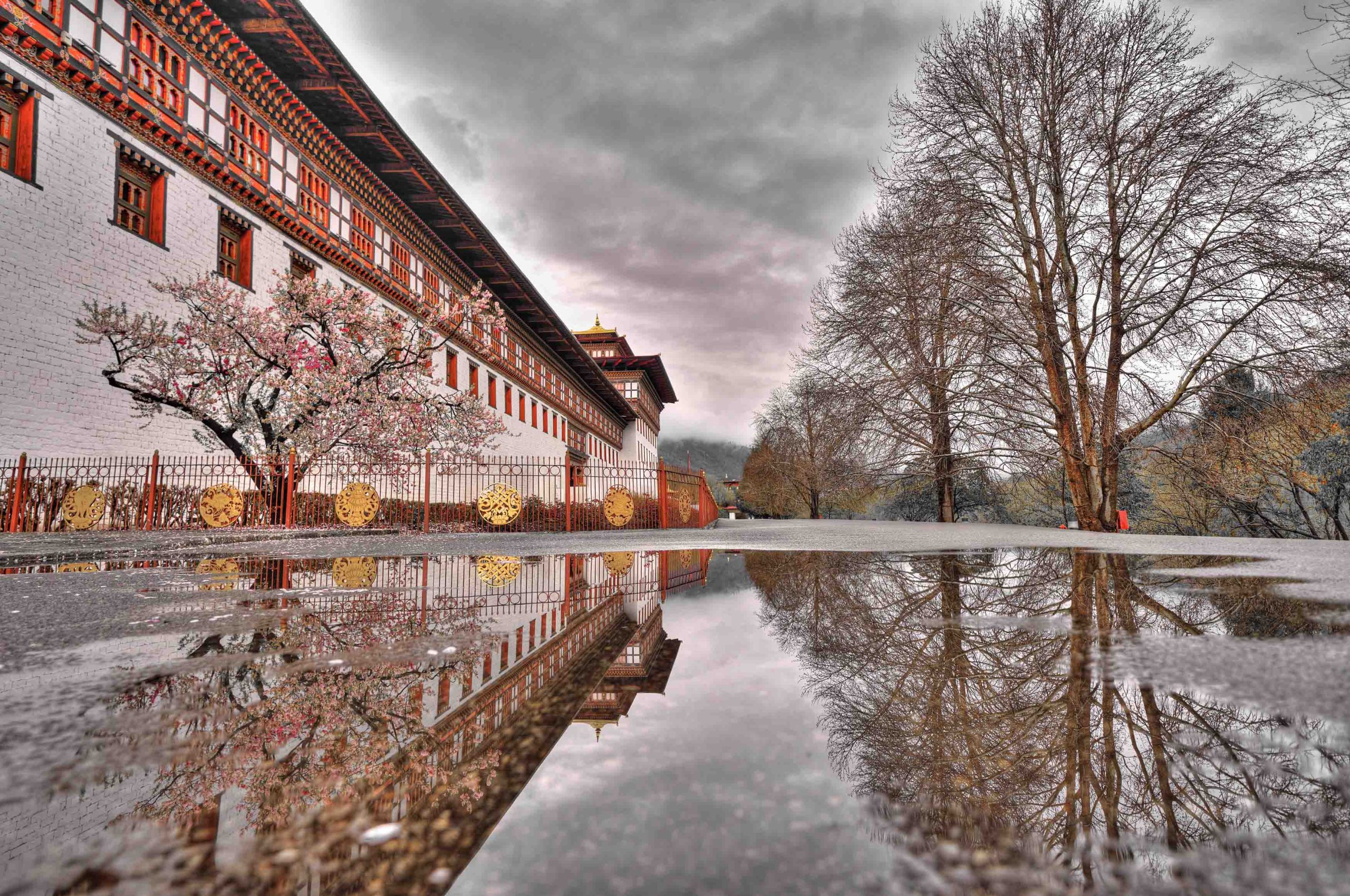
Thimphu is more than just a city; it is the soul of our nation, where ancient wisdom dances with modern dreams, where rivers sing and mountains stand tall as the custodians of time. Thimphu is bound by something deeper than stone and street. Thimphu is the heart of Bhutan, and alive with the pulse of our people. As the capital city, Thimphu holds a unique and sacred role; It is our nation's administrative and cultural center, the seat of our revered leadership, sacred home of our institutions, and the face of our nation.Thimphu cradles our collective memories, binds our communities, and nurtures the hopes of generations
Thimphu holds our memories, our families, our communities and our hopes.
Today, Thimphu faces mounting challenges: unmanaged litter, clogged drains, neglected footpaths, and public spaces that no longer reflect our ideals of harmony, tranquility, and dignity. As Bhutan steps into a new era of thoughtful development and global presence, Thimphu must lead by example. Restoring Thimphu’s beauty is an act of self-respect and unity at a national level, while the visionary development of the Gelephu Mindfulness City (GMC) places Bhutan progressively in the global spotlight. In the coming days, as the world looks to us for inspiration in values-based development, spiritual urbanism, and environmental stewardship, Thimphu must embody the same ethos that underpins Gelephu—a city of mindfulness, quiet power, and lived beauty.
If Gelephu is to be our future city of intention, then Thimphu must be our present city of integrity.
Urban Realities
Thimphu’s bins are filling faster than its mountains can hide them. The capital already produces about 50–55 metric tonnes of solid waste every day—and studies warn the figure could climb to 124 tonnes by 2027 if habits and infrastructure stay the same.
Clogged drains, illegal dumping, and wind-blown plastic threaten Bhutan’s rivers, farmland, and environmental reputation. Without timely intervention, solid waste in urban Bhutan will continue to rise unchecked, damaging ecosystems and public health. Tourism-heavy areas like Thimphu are especially vulnerable.